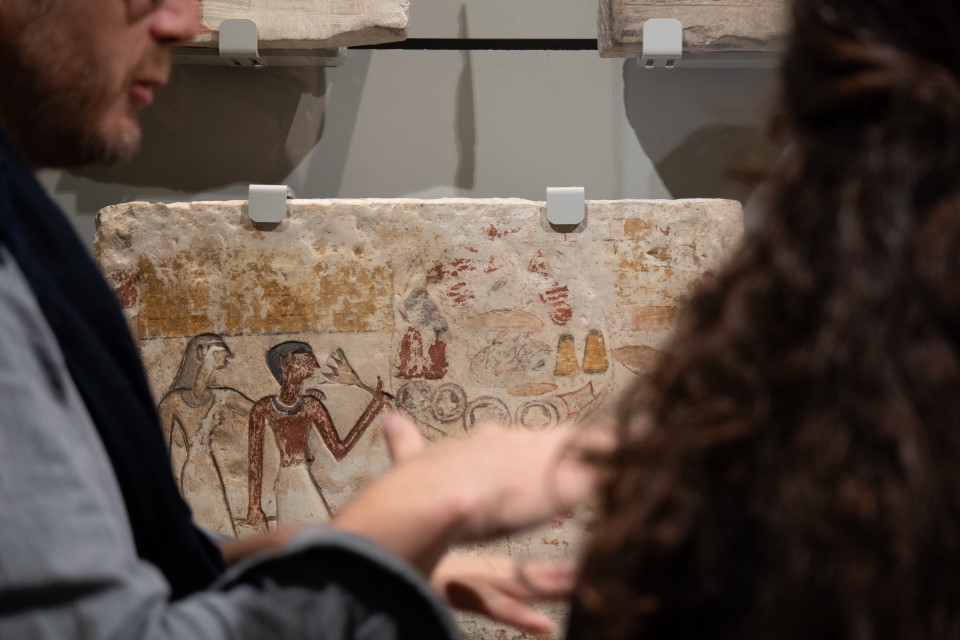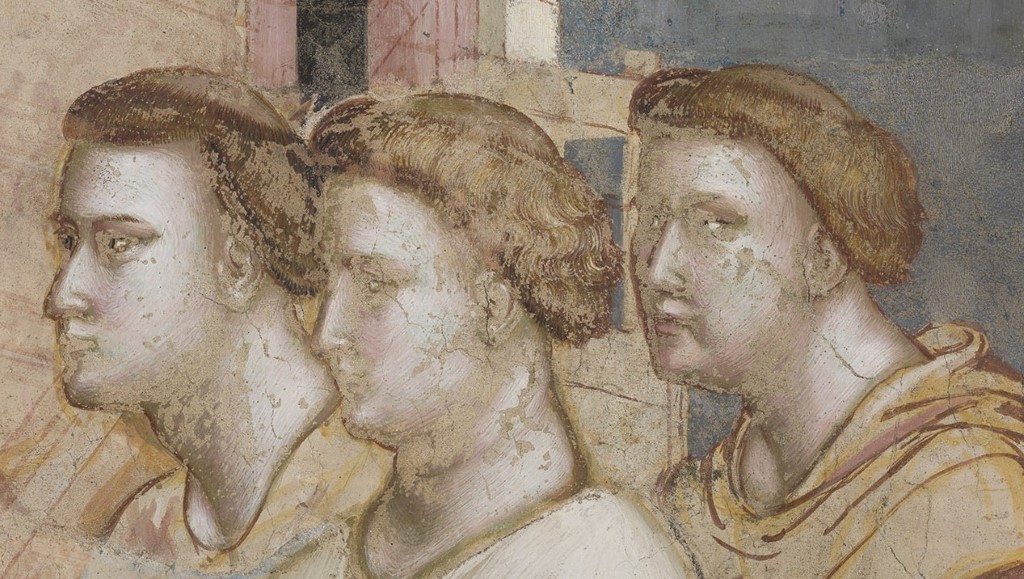

For four years, restorers in Florence worked quietly on one of the most influential fresco cycles in Western art: the Stories of St. Francis, painted by Giotto in the early 1300s inside the Bardi Chapel at Santa Croce. The project is now complete, and the results are striking. Colours once dulled by grime and old varnish are sharper, and details long hidden are visible again.
The timing matters. 2026 marks 800 years since the death of St. Francis of Assisi, and the six scenes in the chapel tell the story of his life: giving up his family’s wealth, having his religious order approved, facing a sultan’s fire, and dying surrounded by his followers.

A defining masterpiece, cleaned up
Giotto is often credited with changing the course of Western painting, and the Bardi Chapel shows why. He built each scene like a stage set, using painted architecture to create the illusion of real, three-dimensional space, a radical idea for his time. Restorers used digital mapping to trace, for the first time, the guidelines Giotto scratched directly into the wet plaster nearly 700 years ago to plan out that space.

The cleaning also confirmed something historians had long suspected: Giotto didn’t work alone. Other painters helped him on the scaffolding, and subtle differences in technique now visible show where his hand ends and an assistant’s begins.
Fixing centuries of damage

Restorers first had to stabilise the frescoes: cracked plaster, loose paint, and salt damage all needed careful repair before any cleaning could begin. They also removed old, mismatched patch-ups from a mid-20th-century restoration and replaced them with more compatible materials.
📽️ VIDEO: Giotto’s Lost Colors Come Back to Life in Florence
Then came the delicate part: filling roughly 5,000 tiny gaps in the paint surface without inventing anything that wasn’t there, while keeping visible traces of the chapel’s rough history, including a period in the 1700s when the frescoes were simply whitewashed over and forgotten until their rediscovery in 1851.


The project was led by Florence’s Opificio delle Pietre Dure, with funding from Italy’s Ministry of Culture, private foundations, and an international fundraising campaign called Giving4Giotto that drew donors from around the world.


All images: credit Opera Santa Croce, Firenze
📘 Source ✅
- 📄 Opera Santa Croce, Firenze
Questo contenuto è protetto da marcatura temporale decentralizzata. L’impronta digitale del testo è registrata per garantirne l’integrità e la data certa di pubblicazione.
Data di pubblicazione registrata: 12/09/2026 11:39
Verificabile in conformità con i protocolli internazionali di informazione certificata OpenTimestamps.